
Performance management case study
A clearer way to turn organisational goals into measurable action
We built a multi-site performance management portal that connects strategic goals with individual ownership, practical actions, reviews and reporting.
Project overview
01 — The brief
Making goals meaningful at every level of the organisation
Organisational goals only create momentum when people understand what they own, what needs to happen next and when progress will be reviewed. Across multiple sites and teams, maintaining that shared picture becomes increasingly difficult.
The client needed a goal-setting and performance tracking system that could connect strategic priorities with individual objectives and lead initiatives. It had to support regular updates, structured reviews and management reporting without losing the detail behind each goal.
02 — The challenge
Structure without turning performance into paperwork
The application needed enough governance for senior oversight while remaining straightforward for the people responsible for updating goals and completing actions.
Different types of goal
Support organisation-wide and individual objectives with owners, priorities, dates, reviews and SMART lead initiatives.
At-a-glance performance
Translate detailed progress into a consistent 0–10 score and red, amber or green status.
Review discipline
Surface approaching and overdue milestones, missing updates and goals requiring review.
Controlled visibility
Respect ownership, management responsibilities and reporting permissions across sites and groups.
03 — The solution
A shared performance record for goals, actions and reviews
We developed a central portal where users can create and manage goals, break them into actions, record notes and evidence, score progress and complete structured reviews.
Dashboards and reports build on the same live information, giving individual users a focused workload while managers can understand performance across teams, sites and the wider organisation.
- Organisational and individual goal structures
- Role-based editing, reporting and administration
- Automated reminders, archiving and scheduled reports
Shared goal record
Ownership · dates · status · evidence
Business priorities
Individual goals
Actions and notes
Progress reviews
Reports and exports
Users and groups
04 — A typical workflow
From strategic objective to completed review
A consistent lifecycle keeps the objective, practical work and performance conversation connected.
-
1
DefineSet the objective, owner, priority and important dates.
-
2
PlanAdd SMART lead initiatives and supporting actions.
-
3
UpdateRecord progress, notes, evidence and a 0–10 rating.
-
4
ReviewAssess results, exceptions and the next required action.
-
5
CloseComplete, neutralise or archive with a retained history.
05 — Performance with context
Simple status, supported by the full story
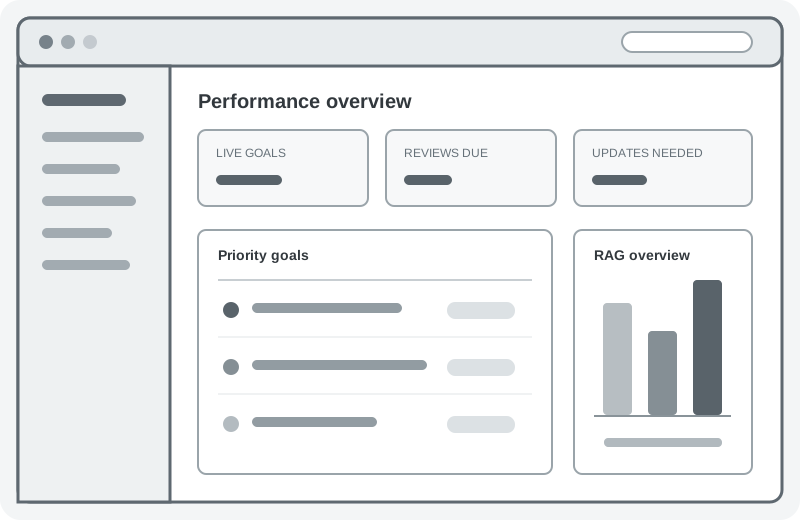
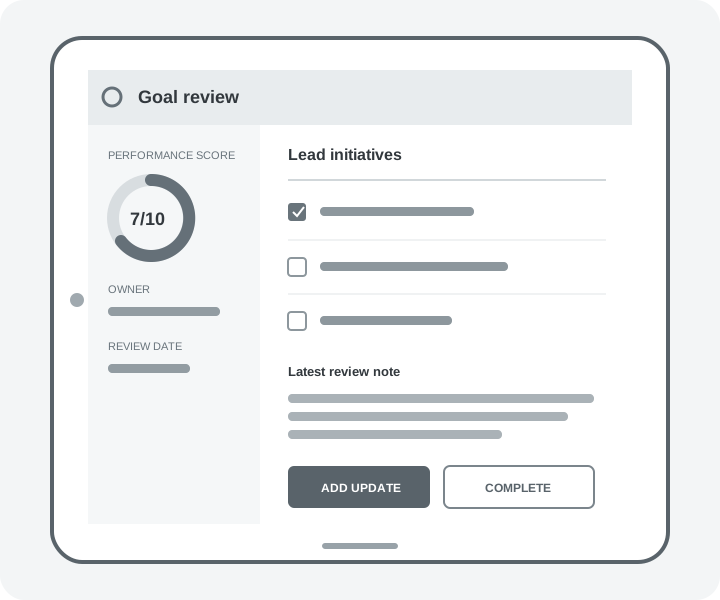
A 0–10 rating maps each goal to a red, amber or green status, making dashboard summaries easy to scan. Users can then open the goal to understand the initiatives, actions, notes, review dates and supporting files behind that status.
This balance gives managers a concise overview without reducing performance to a colour alone. Exception reports also highlight past-due activity where a status update is missing.
06 — Platform capabilities
A complete goal and performance management portal
Goal management
Create, extend, lock, neutralise, complete, archive and restore goals with actions, notes, keywords and review dates.
RAG scoring
Map a consistent 0–10 progress rating to red, amber and green status for rapid performance visibility.
Dashboards
Summarise live, completed and archived goals alongside RAG breakdowns and approaching milestones.
Reports
Review results, exceptions and neutralised goals, schedule recurring reports and export structured data.
Users and permissions
Manage users, managers, groups and granular editing rights with organisational directory integration.
Communications and files
Send templated reminders, retain communication logs and attach documents to goals and initiatives.
07 — Technical foundation
Three layers with background automation
The system separates its web interface from a reusable data and domain layer. Secure authentication and custom authorisation control editing, administration and report access.
A separate worker process runs scheduled jobs concurrently, including goal archiving, review reminders and report delivery. Enterprise directory integration supports the synchronisation of organisational users and groups.
08 — The outcome
A dependable view of goals across teams and sites
The completed portal gives the organisation one place to define expectations, understand progress, prepare reviews and retain the history behind performance decisions.
Shared directionBusiness priorities, individual ownership and lead initiatives remain connected.
Visible progressRAG dashboards surface performance and approaching milestones without hiding the supporting detail.
Timely reviewsAutomated reminders and exception reports draw attention to work requiring an update.
Consistent oversightPermission-aware reports give managers the appropriate view across users, groups and sites.
Need a clearer view of performance?
Let’s build a system that turns plans into visible progress.
Tell us what your teams need to achieve. Our initial advice is free.
Talk to us about your project